

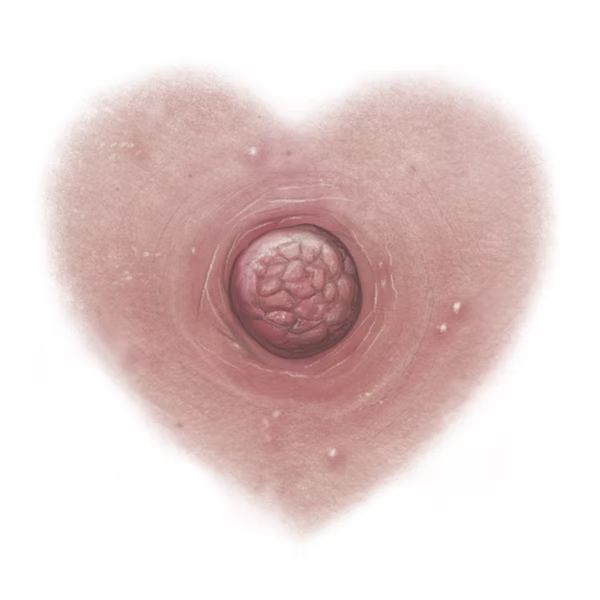
Completing breast cancer treatment is a major milestone, yet physical recovery often outpaces emotional healing. Even after mastectomy and breast reconstruction restore volume and contour to the chest, the absence of a nipple and areola can leave the body feeling unfinished. For many survivors, 3d areola tattoo bellevue—also known as restorative nipple micropigmentation—serves as a transformative final step that bridges clinical recovery and psychological wholeness.
Reclaiming Ownership Over the Body
Throughout breast cancer diagnosis, chemotherapy, radiation, and surgery, a person’s body can begin to feel like medical territory—examined, marked, and reshaped by urgent clinical decisions. Even after active treatment ends, looking in the mirror at a smooth, featureless breast mound or prominent surgical incisions can trigger daily reminders of illness and loss.
Restorative 3D areola tattooing shifts that daily visual experience:
-
Restoring Familiar Landmarks: Using specialized light-and-shadow shading, highlights, and subtle anatomical details like Montgomery glands, paramedical artists create the optical illusion of a natural nipple-areola complex. Seeing familiar proportions return helps many survivors transition emotionally from “patient” back to themselves.
-
Making a Voluntary, Personal Choice: Unlike cancer surgeries dictated by medical necessity, choosing a 3D areola tattoo is an elective, collaborative decision. Clients participate directly in selecting size, placement, and shade, restoring a vital sense of bodily autonomy.
Softening Visual Reminders of Trauma
Mastectomy and reconstruction scars tell a story of survival, yet sharp incision lines across the center of the breast mound can draw immediate visual attention whenever a survivor dresses, showers, or looks in the mirror.
Paramedical artistry helps gently integrate these marks:
-
Camouflaging Surgical Scars: Skilled artists implant custom-blended pigments directly over mature scar tissue and feather skin-toned shades around the perimeter so surgical lines visually recede into the recreated areola.
-
Creating Visual Symmetry: For unilateral mastectomies, the artist matches the exact hue, diameter, and subtle freckling of the remaining natural areola, restoring balance in fitted clothing, bralettes, and swimwear.
-
Supporting Aesthetic Flat Closures: Survivors who choose not to undergo breast mound reconstruction can also receive 3D areola tattoos placed directly on the chest wall to restore natural visual proportions without additional surgery.
Rebuilding Self-Confidence and Intimacy
Changes in physical appearance after breast cancer frequently impact self-esteem and romantic relationships. Even with a supportive partner, feeling self-conscious about surgical contours or missing nipples can create emotional guardedness or discomfort during intimate moments.
-
Renewed Ease in Intimacy: Restoring natural visual detail helps many women feel more comfortable, present, and unguarded with their partners.
-
Everyday Freedom: Survivors frequently report feeling more confident in low-cut tops, athletic wear, and bathing suits without worrying about asymmetry or visible surgical scars.
Emotional Closure Without Additional Surgery
After enduring months or years of invasive procedures, many breast cancer survivors experience “surgery fatigue”—a reluctance to undergo another operation, anesthesia, and wound-healing cycle just to reconstruct a nipple.
3D areola tattooing offers profound emotional relief without surgical strain:
-
Calm, Non-Surgical Setting: The procedure takes place in a private studio or clinical office using topical numbing cream, with minimal surface healing time.
-
A Meaningful Ritual of Closure: Many survivors describe their appointment as a peaceful, celebratory milestone that officially closes the chapter on breast reconstruction and allows them to move forward.
Moving Forward Safely
To ensure a safe, empowering experience, most oncology and surgical teams recommend waiting 6 to 12 months after your final reconstruction surgery or radiation treatment so swelling has resolved and scar tissue has matured. Always obtain written clearance from your care team and choose a certified paramedical tattoo specialist whose healed portfolio (taken at least 6 to 8 weeks post-procedure) demonstrates soft, realistic artistry on reconstructed skin.
